
(Continued). Addiitional benefits of molecular bonding for the Solar Induatry
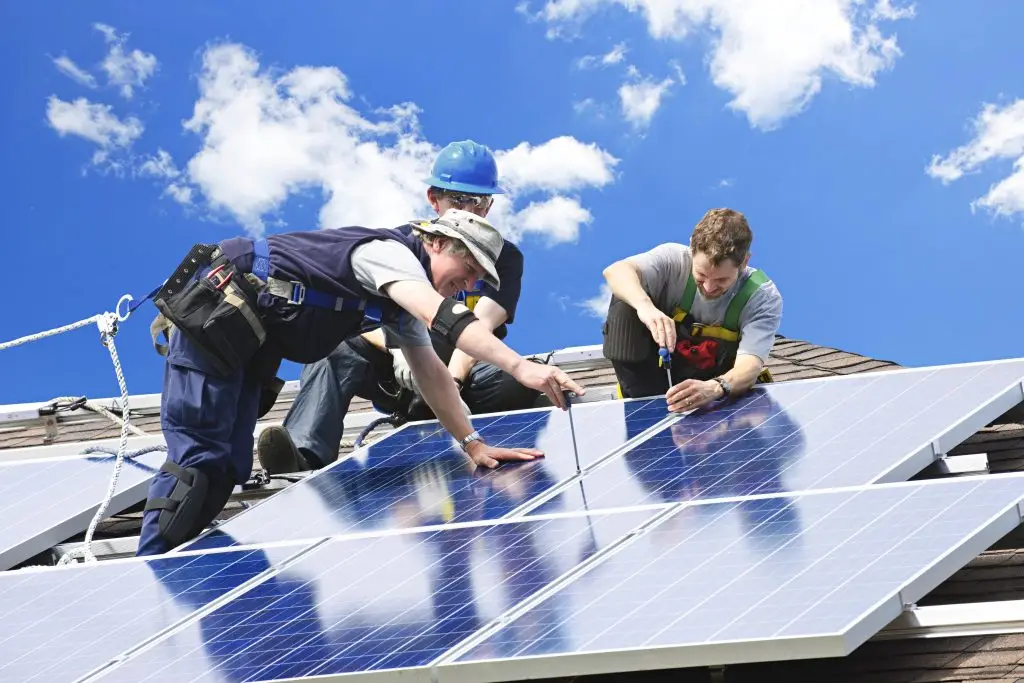
Lightweight Assembly & Flexible Integration
Because no clamps or mechanical fasteners are needed, components can be bonded directly, enabling lighter, thinner solar panel assemblies. This is critical for portable solar products, lightweight rooftop arrays, and next-generation solar-integrated designs (e.g., in textiles, tents, or vehicles), which use HDPE, nylon, etc. Additionally, Tech-Bond works with flexible polymers like TPU, silicone tubber, supporting curved or non-traditional panel geometries.

Sustainability & Long-Term ROI
Permanent bonds mean less frequent replacement, fewer maintenance trips, and reduced material waste. This aligns perfectly with sustainability goals and improves ROI across utility-scale, commercial, and residential solar projects.
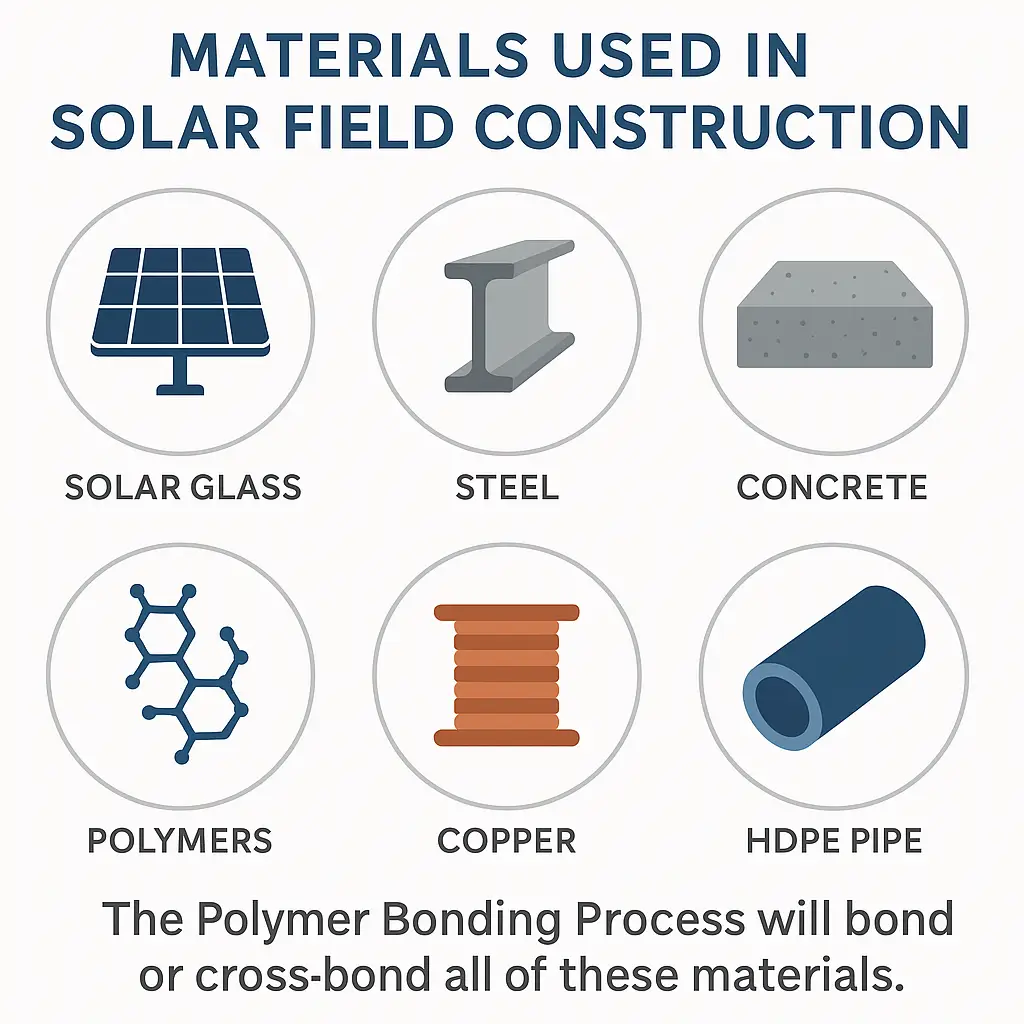
Material Compatibility
Tech-Bond is the only system proven to bond PTFE, HDPE, polypropylene, polycarbonate, silicone rubber, and other ‘ungluable’ polymers—making it invaluable in solar where such materials are used for sheeting, mounts, backsheets, or panel frames. It also excels at bonding polymers to metals (e.g., poly sheeting to aluminum rails), making it ideal for hybrid-material applications.

Labor & Cost Savings
The Polymer Bonding Process is simple, almost instant, and requires minimal training*. With no mixing, long cure times, or cleanup, manufacturers can streamline assembly lines and reduce labor costs. In the field, damaged casings or mountings can be repaired using Tech Wraps or Tech Patches, eliminating the need for expensive replacements or system downtime.
* Please review our Training Material. Since the principles of molecular bonding are entirely different than those of glueing or epoxying, some training is required.
Solar Case Studies
Solar Canopy | Portable Clean Energy w/ Polymer Bonding Technology
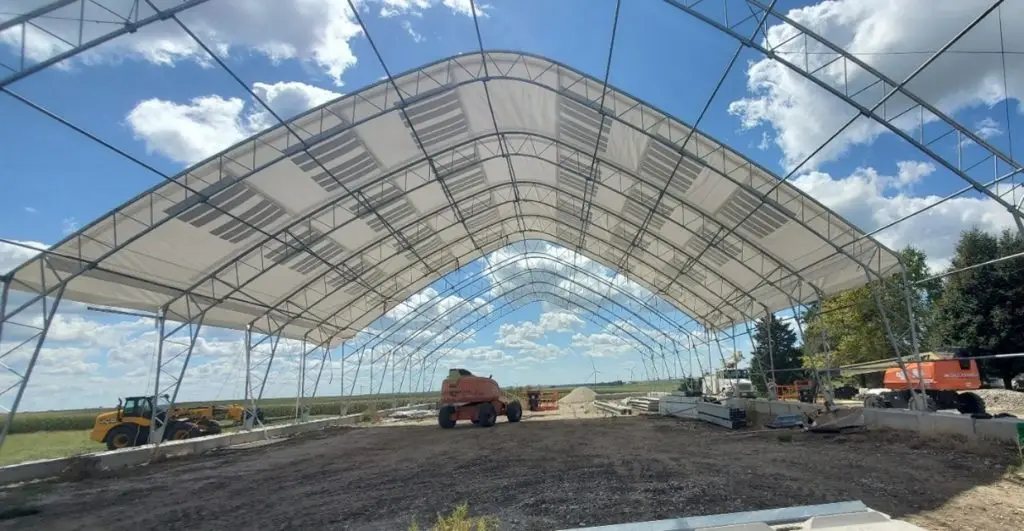
Pvilion’s solar canopy is a lightweight, flexible structure that integrates high-efficiency solar cells to deliver portable, off-grid power for charging electronics, running equipment, and supporting lighting, heating, and cooling. Made possible by Tech-Bond’s Polymer Bonding Process, the canopy overcomes the long-standing challenge of bonding advanced polymers, enabling durable performance in harsh outdoor environments. This canopy has withstood 100 mph winds. This structure reparesents a breakthrough in clean energy infrastructure—versatile enough for civilian, commercial, and military use and only possible because of the Polymer Bonding Process.
Testing heat build up in a solar panel.
In a field test conducted in Macedonia, the heat buildup in two identical solar panels was compared. The first panel was assembled using traditional epoxy adhesives. In the second, every component was bonded using Tech-Bond’s Polymer Bonding Process. The results were striking: the panel bonded with Tech-Bond consistently operated at an internal temperature 10°C cooler than the epoxy-bonded panel. This significant temperature reduction not only improves performance efficiency but also extends the operational lifespan of the solar panel—a critical factor in long-term renewable energy infrastructure.