
From Stacking to Bonding – Unlocking the Potential of Polymers
Bonding Polymers, now a reality. Imagine if wood couldn’t be nailed, fastened, or glued.
No nails. No screws. No adhesives.
All you could do is stack pieces of wood or burn them for fuel. If that were the case, woodworking as we know it wouldn’t exist. There would be no homes built from timber, no furniture, no bridges or barns—just piles of stacked lumber or ashes.
That image may sound absurd for wood, but it’s the reality the world has lived with for polymers for the last sixty years.
We’ve been able to mold polymers into countless shapes. We’ve been able to cut them, weld them, and bolt them. But one thing we could never do—until now—was truly bond them.
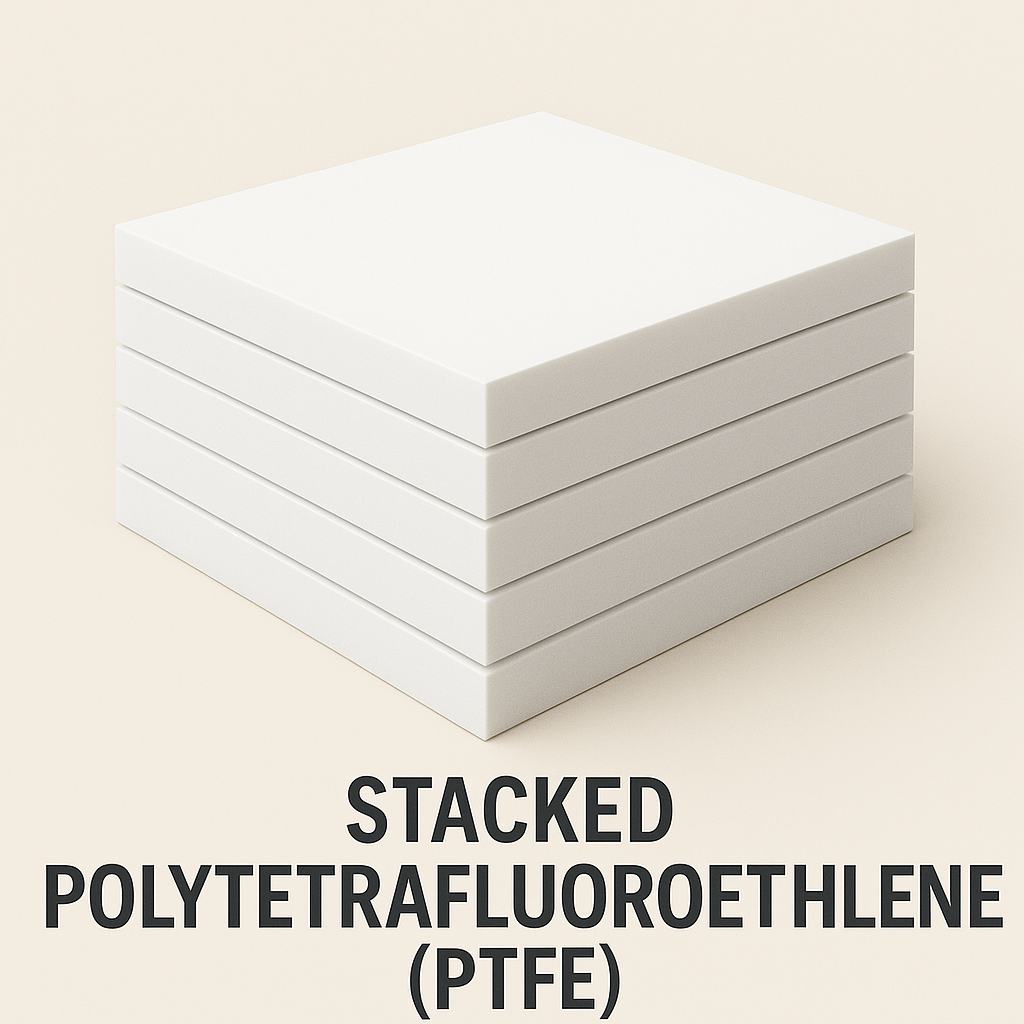
On the left
How we used polymers from the 60’s to the 2020’s.
On the right
How polymers can be used from this point forward.
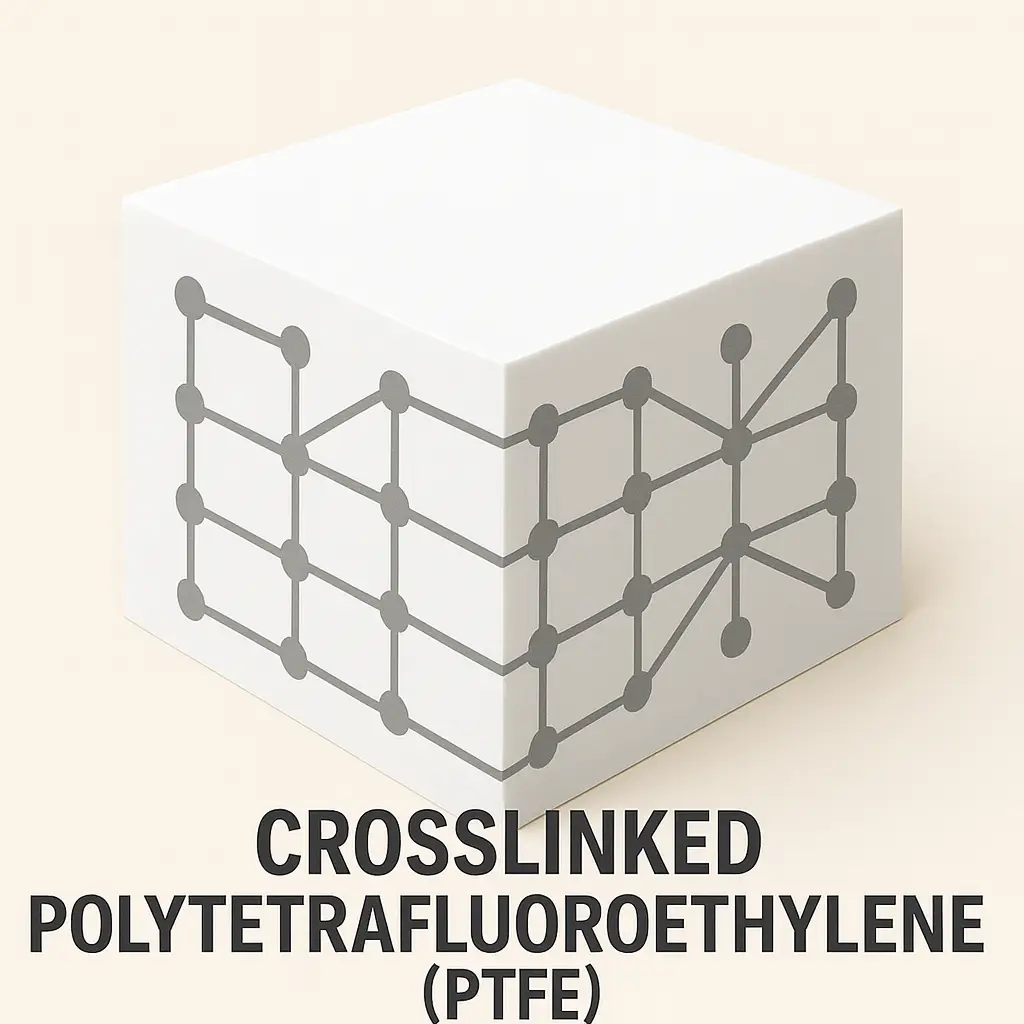
- Gluing vs. Bonding
There’s an important distinction here. Gluing is surface-level. Adhesives grip onto a surface, fill in gaps, or create friction that holds two materials together. That’s useful, but it has limits. Under heat, stress, or chemical attack, glues fail.
Bonding is different. Bonding means creating a molecular connection, a structural integration where the materials stop being two separate entities and instead become one unified structure. In woodworking, the arrival of reliable adhesives changed everything. Suddenly, joints were stronger, designs more flexible, and applications broader. It unlocked a revolution.
Now, imagine that same revolution happening with polymers.
Unlocking the Polymer Revolution
For decades, industries have been stuck “stacking” polymers—assembling them mechanically, fastening them with bolts or clamps, or shaping them into single-use parts. But without the ability to bond polymers together, their true potential has remained locked away.That changes with the Polymer Bonding Process. For the first time, polymers can be bonded:
- To themselves
-
- Plus, to other polymers
-
- Then to almost any substrate
The implications are enormous. Instead of weak mechanical joins or temporary adhesive fixes, we now have permanent molecular bonds. Bonds that can withstand stress, heat, and harsh conditions. Bonds that remain flexible if the material is flexible. Bonds that don’t just hold things together—they integrate them.
Why It Matters
Bonding is better than gluing. It’s better than hammer and nails. History has proven that every time a new method of joining materials is introduced, it transforms industries. Nails and screws transformed carpentry. Adhesives transformed woodworking and manufacturing.
Now, bonding transforms polymers.
The possibilities are nearly endless:
-
- Building stronger, lighter structures
- Repairing tanks, pipes, and equipment once thought impossible to fix
- Reducing costs by extending the life of assets
- Designing entirely new products that were never feasible before
For the first time in history, polymers can now be bonded. And with that, a new chapter in material science—and industrial possibility—begins.